Roots on the Plate: The Chefs and Traditions Shaping Savannah's Gullah-Geechee Food Story
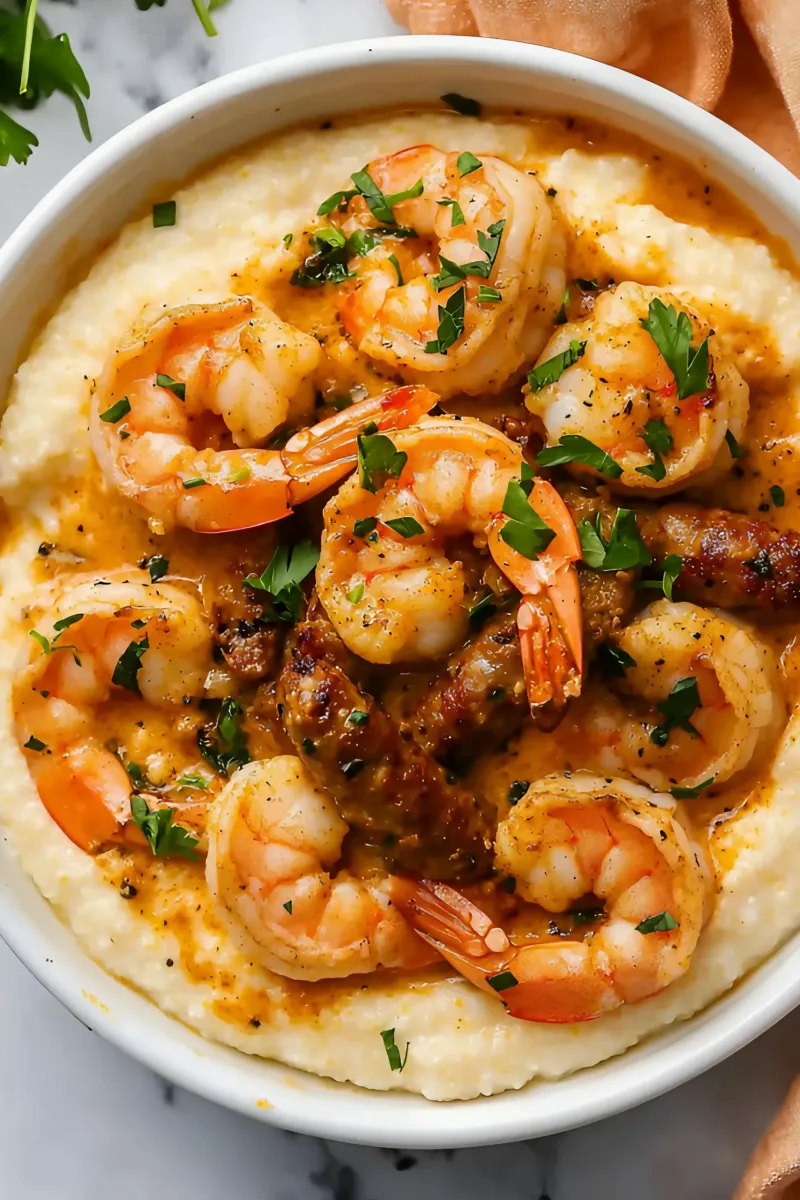
Photo: Lowcountry shrimp grits Southern food chef kitchen Savannah Georgia, via www.easyrecipestotry.com
Order shrimp and grits at almost any Savannah restaurant and you will receive something delicious. What you may not receive is context — the centuries of agricultural practice, cultural exchange, and hard-won culinary knowledge that produced the dish now appearing on menus from the Historic District to the islands. That context is precisely what a growing community of Savannah chefs, food educators, and cultural advocates is working to restore.
The story of Lowcountry food is, at its foundation, a story about Gullah-Geechee people: the descendants of West and Central African enslaved communities who cultivated the coastal lands of Georgia and South Carolina and whose intimate knowledge of rice cultivation, shellfish harvesting, and indigenous plant use shaped an entire regional cuisine. Understanding that origin does not diminish the pleasure of the food. It deepens it considerably.
The Agricultural Foundations of a Coastal Kitchen
The Georgia coast's culinary identity was established long before any restaurant opened its doors. The tidal marshes, barrier islands, and river systems that define the Lowcountry landscape provided an extraordinarily diverse larder: blue crab, oysters, shrimp, flounder, and mullet from the water; field peas, okra, sweet potatoes, and rice from the land. Many of these crops were not native to North America — they arrived with enslaved Africans who carried seeds and agricultural knowledge across the Atlantic.
Okra, for instance, traces its American presence directly to West African foodways. The plant, known in several West African languages by names phonetically similar to its English rendering, became a cornerstone of Lowcountry cooking — appearing in stews, soups, and the gumbo-adjacent preparations that remain central to the regional table. Rice cultivation in coastal Georgia was similarly dependent on the expertise of enslaved workers from the rice-growing regions of Sierra Leone and Senegal, whose technical knowledge of tidal irrigation was irreplaceable.
This history is not incidental to the food. It is the food.
Chefs as Cultural Stewards
In Savannah's contemporary dining scene, a number of chefs have taken on the role of cultural stewards as deliberately as they have pursued culinary excellence. Their work involves not just cooking traditional dishes but researching their origins, sourcing ingredients from regional farms and fishermen, and communicating the historical narrative behind what they serve.
Chef Mashama Bailey of The Grey, which operates out of a restored 1938 Greyhound bus terminal on West Broad Street, has received national recognition for her approach to what she describes as Port City Southern food — a cuisine that acknowledges the African, European, and indigenous threads woven into the Lowcountry table. Her menus reflect a rigorous engagement with regional ingredients and a refusal to flatten the cultural complexity of Southern cooking into something merely comfortable.
Elsewhere in the city, smaller establishments and community-rooted eateries carry on traditions that predate the fine-dining conversation entirely. Restaurants in Savannah's historically Black neighborhoods have long served the dishes that more prominent venues now celebrate — red rice, hoppin' John, Frogmore stew, and slow-cooked collard greens seasoned with smoked meat — and their continued presence is as important to the food heritage story as any award-winning kitchen.
The Role of Farmers and Fishermen
No discussion of Savannah's food heritage is complete without acknowledging the producers who supply its kitchens. The farm-to-table movement, which arrived in Savannah with considerable fanfare in the 2010s, connected a new generation of chefs with the coastal Georgia agricultural network that had always existed — it simply had not always been celebrated in the same terms.
Local farms in Effingham, Bryan, and Chatham counties grow heirloom varieties of field peas, tomatoes, and corn that were cultivated in the region for generations before industrial agriculture introduced standardized hybrids. Shrimpers working out of Thunderbolt and Tybee Island supply the Georgia white shrimp that chefs consistently identify as superior in flavor to imported alternatives. Oystermen harvesting from the marshes of Wassaw Sound and the Wilmington River continue a tradition of shellfish cultivation that the Gullah-Geechee community practiced long before it became a menu selling point.
Chefs who prioritize these relationships are not simply making a marketing choice. They are participating in a supply chain that keeps small-scale coastal agriculture economically viable and culturally continuous.
Food as Historical Narrative
Several Savannah institutions have recognized that food offers one of the most accessible entry points into the city's layered cultural history. The Gullah Geechee Cultural Heritage Corridor, a federally designated heritage area that runs along the Atlantic Coast from Wilmington, North Carolina, to Jacksonville, Florida, encompasses Savannah and supports educational programming that connects food traditions to broader historical narratives.
Local culinary tours, some led by historians and others by practicing cooks, now take participants through the city's market history, past the sites of former rice plantations visible from the waterfront, and into kitchens where traditional techniques are still practiced. These experiences are designed not as entertainment but as education — an acknowledgment that tasting a dish is more meaningful when you understand whose hands first shaped it.
Eating Thoughtfully in the Hostess City
For visitors who want to engage with Savannah's food heritage on its own terms, a few practical suggestions apply. Seek out restaurants that identify their ingredient sources and acknowledge the cultural traditions behind their menus. Visit the Savannah State Farmers Market and the Forsyth Farmers' Market, where regional producers sell directly to the public. Consider a guided culinary heritage tour as a complement to — or replacement for — a standard restaurant reservation.
Most importantly, approach the table with curiosity. The shrimp and grits, the red rice, the oyster roast — these are not simply regional specialties. They are the accumulated expression of centuries of human ingenuity, cultural exchange, and survival. Savannah's best chefs know this. They are inviting you to know it too.