The Savannah Riverfront Beyond the Brochure: Where Locals Actually Spend Their Time
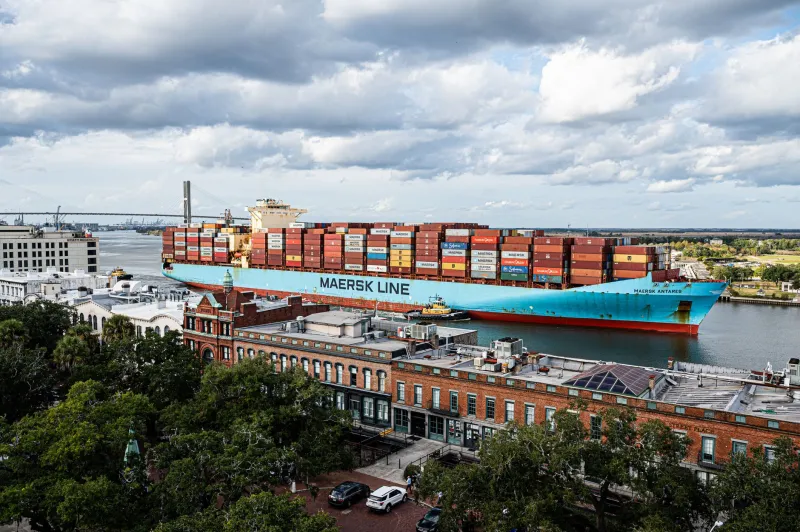
Let's be straightforward about something: River Street is genuinely worth a visit. The historic cotton warehouses converted into restaurants and galleries, the working cargo ships gliding past at eye level, the salt-tinged air rolling off the Savannah River — these are real pleasures, and dismissing them entirely would be both dishonest and unhelpful. However, if River Street constitutes your entire riverfront experience in Savannah, you have missed the better part of the story.
Savannahians have a complicated relationship with their most famous waterfront strip. They are proud of it in the way one is proud of a landmark that draws admiration from guests, while quietly preferring to spend their own leisure hours elsewhere. The cobblestones are charming. The crowds, particularly in peak season, are less so. And the prices at the most heavily trafficked establishments on River Street rarely reflect the value that this city's genuine culinary scene has to offer.
This guide is an attempt to do something different: to describe the Savannah riverfront as residents experience it, rather than as it is packaged for first-time visitors. Some of what follows will confirm your existing plans. Some of it may redirect them entirely. Both outcomes serve you well.
Understanding the Riverfront's Geography
The Savannah riverfront is not simply River Street. That distinction matters enormously for planning purposes. The waterfront extends from the industrial Port of Savannah to the east — one of the busiest container ports in the United States — westward through the Historic District and into the emerging neighborhoods of the Westside. Each section has its own character, its own regulars, and its own relationship to the water.
River Street itself runs along the base of the bluff below Bay Street, connected by a series of steep ramps and the famous Factors Walk, a network of iron bridges and cobblestone alleys originally used by cotton brokers to access the warehouses below. This layered geography is architecturally fascinating and genuinely unlike anything else in the American South. Take time to explore Factors Walk even if you spend only a limited time on River Street proper — the elevated perspective of the river from the Bay Street level is one of Savannah's most underappreciated views.
Where Locals Eat Along the Water
The dining landscape along River Street runs the full spectrum from reliably good to aggressively mediocre, and distinguishing between the two requires some local knowledge. The establishments that invest most heavily in street-level marketing — the ones with costumed staff beckoning from doorways and laminated menus featuring photographs of every dish — are rarely the ones that Savannahians choose for a meaningful meal.
For seafood, residents tend to gravitate toward spots with shorter menus and longer histories. Savannah's proximity to the Georgia coast means that fresh shrimp, oysters, and flounder should be non-negotiable standards rather than premium offerings. If a riverfront restaurant is charging premium prices for shellfish that arrived frozen, locals will tell you — often without being asked.
Beyond River Street, the Plant Riverside District, a relatively recent development anchored in the former Savannah Electric plant approximately a mile west of the Historic District, has attracted a more discerning mix of dining and entertainment options. The complex sits directly on the river and offers waterfront ambiance without the density of the tourist corridor. Local residents frequent the bars and restaurants here, particularly on weekday evenings when the atmosphere is considerably more relaxed.
The Waterfront for Outdoor Enthusiasts
Perhaps the most significant gap in standard riverfront guides is their near-total neglect of the water itself as a recreational resource. The Savannah River is not merely a backdrop — it is an active environment that rewards those willing to engage with it directly.
Kayaking and paddleboarding on the river are increasingly popular among residents, with several outfitters offering rentals and guided tours that provide an entirely different perspective on the city's waterfront. Paddling beneath the Talmadge Memorial Bridge or past the historic bluff at low tide offers views of Savannah's skyline and port that no land-based vantage point can replicate. Early morning excursions, before the commercial river traffic increases, are particularly recommended for both safety and scenery.
The Savannah Riverwalk, a paved multi-use path that extends along the waterfront, is a favorite among joggers, cyclists, and dog walkers throughout the week. On weekend mornings, it functions as something of an informal community gathering space, populated by residents who live in the nearby Victorian District and Midtown neighborhoods. This is one of the most accessible places in the city to observe Savannah daily life unmediated by tourism infrastructure.
Neighborhood Anchors Worth Knowing
The blocks immediately adjacent to the riverfront — particularly the area around Broughton Street and the City Market district — contain some of Savannah's most authentic commercial and cultural life. Locals shop, eat, and socialize here with regularity, and the visitor who ventures even two blocks inland from River Street will find a noticeably different atmosphere.
City Market, located on Jefferson and West St. Julian Streets, is often dismissed as a tourist destination, and its central plaza can indeed feel that way during peak hours. However, the surrounding blocks contain working artists' studios, independent retailers, and a handful of restaurants that maintain genuine neighborhood followings. The distinction between establishments that cater primarily to visitors and those with loyal local clientele is usually apparent within moments of entering.
For a genuinely local evening out near the water, residents frequently recommend the stretch of Congress Street between Jefferson and Montgomery Streets, where a cluster of bars and small restaurants operates with a neighborhood-pub sensibility that stands in deliberate contrast to the riverfront's more performative energy.
A Note on Crowds and Timing
If River Street is part of your Savannah itinerary — and there is no shame in that — timing your visit thoughtfully will make an appreciable difference in the experience. Weekday mornings, particularly between 8:00 a.m. and 11:00 a.m., offer the corridor at its most peaceful and photogenic. The light off the river at that hour is genuinely beautiful, the cobblestones are quiet, and the working port activity provides an industrial counterpoint to the historic architecture that feels entirely authentic.
Sunday evenings, conversely, tend to be among the most congested periods, particularly during the warmer months and around major festivals. Parking along River Street and Bay Street is limited and expensive during peak periods; visitors staying in the Historic District are strongly encouraged to walk or use the Savannah Belles Ferry, a free passenger ferry that connects River Street to Hutchinson Island and provides a brief but memorable river crossing.
The Savannah riverfront, at its best, is a place where history, commerce, and community converge along one of the American South's great working rivers. Engaging with it on those terms — rather than simply as a shopping and dining corridor — will reward your time in ways that no brochure adequately captures.