The Season of Soft Light: Why October and November Are Savannah's Finest Hours
Photo: Wikideas1, CC0, via Wikimedia Commons
There is a moment, usually in early October, when Savannah exhales. The thick Gulf moisture that presses down on the city all summer lifts, the mornings turn crisp, and the Spanish moss catches a slant of golden light that photographers chase for the rest of the year. For the traveler paying attention, this is the signal: the Hostess City is at its best, and the crowds have not yet fully noticed.
The Weather Break
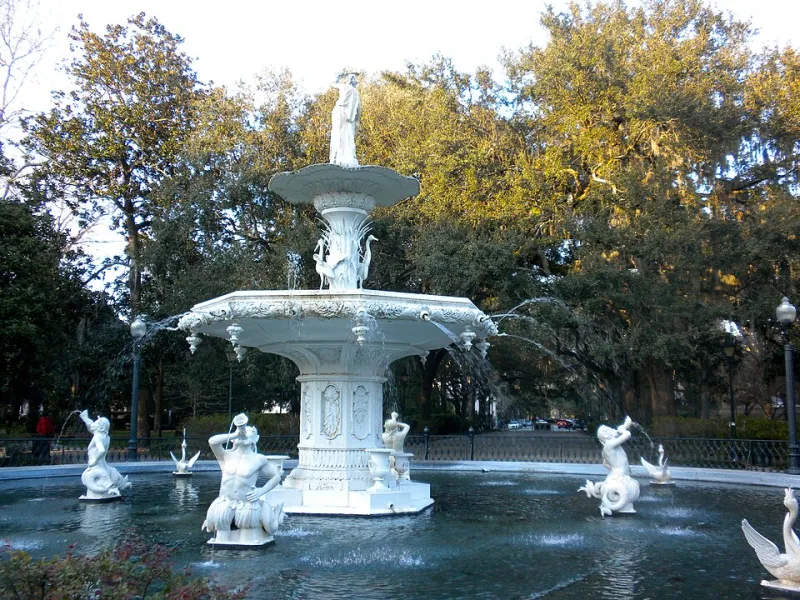
Savannah's summer is legendary for the wrong reasons. Heat indices routinely push past 100 degrees, and the cobblestones along River Street radiate warmth well into the evening. By mid-October, however, average highs settle into the low 70s, with overnight lows in the 50s — the kind of weather that makes walking the two-mile loop of Forsyth Park a pleasure rather than an endurance test.
November improves on the bargain. Daytime temperatures hover in the upper 60s, and while the live oaks are evergreen, the city's deciduous trees — the maples and sweet gums scattered through Victorian District — put on a modest but genuine display of amber and rust. Add in lower humidity, fewer mosquitoes, and the first genuine need for a light jacket, and the case is nearly closed.
A Calendar That Fills Its Boots
Fall is also when Savannah's event calendar shifts into high gear. October brings the Savannah Film Festival, hosted by SCAD, which transforms the city's historic theaters into a weeklong celebration of cinema drawing directors, students, and film lovers from across the country. The same season typically features the Savannah Jazz Festival's programming and a full slate of ghost tour season — Halloween is, after all, the city's unofficial high holiday.
November belongs to food. The Savannah Food & Wine Festival gathers chefs from around the Southeast for tastings, dinners, and demonstrations, while the weeks leading into Thanksgiving fill the squares with holiday markets and the city's beloved lighting ceremonies. Travelers who plan around these events should book accommodations early — but those who prefer quieter streets will find that even during festival weeks, the squares retain their hush.
The Shoulder-Season Advantage
Here is the practical arithmetic. Savannah's peak visitation runs from March through May, when spring breakers and garden tour pilgrims fill the hotels and push weekend rates past $300 a night in the Historic District. October and November, by contrast, occupy a sweet spot: demand is strong but not suffocating, and weekday rates in particular soften considerably.
The savings extend beyond lodging. Lines at the Mercer Williams House and the Juliette Gordon Low Birthplace shrink from forty minutes to ten. Restaurant reservations at the city's most sought-after tables — places that require booking weeks ahead in spring — become attainable with a few days' notice. Trolley tours run with open seats, and the city's ghost tours, which peak in October, offer November visitors a spookier, smaller-crowd alternative.
How to Spend the Perfect Fall Weekend
Begin mornings with coffee on a square — Chippewa and Monterey are favorites — while the light is still low and the streets are quiet. Reserve midday for house museums and walking tours, when the sun is bright but not punishing. Evenings are for the riverfront, where the breeze off the Savannah River carries the smell of salt and oak fires, and for dinners that stretch long past sunset.
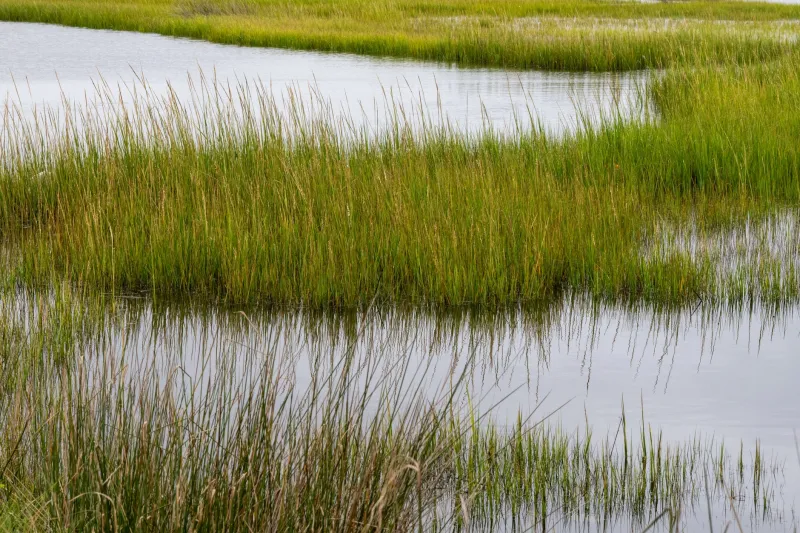
Save at least one afternoon for Tybee Island. The summer beach crowds are gone by October, the water is still warm enough for a barefoot walk, and the drive through the marshes — golden in fall light — is worth the trip on its own.
The Verdict
Every city has a season that flatters it. For Savannah, that season is fall: the weather is generous, the calendar is full, and the city's famous hospitality has room to breathe. Travelers who visit in October and November will find the Hostess City at its most welcoming — and will wonder why anyone saves it for spring.